Where have you been today?
Where Have You Been Today? explores memory, imagination, travel and the fragile authority of photography. It looks at the life of a single man, my grandfather Raymond, in two moments of his life, and two separate states of memory: before and during his battle with dementia. The project wonders why reality, as perceived by someone who’s losing his memory, should be considered less real than our own. Can photography give authority to this alternate reality?
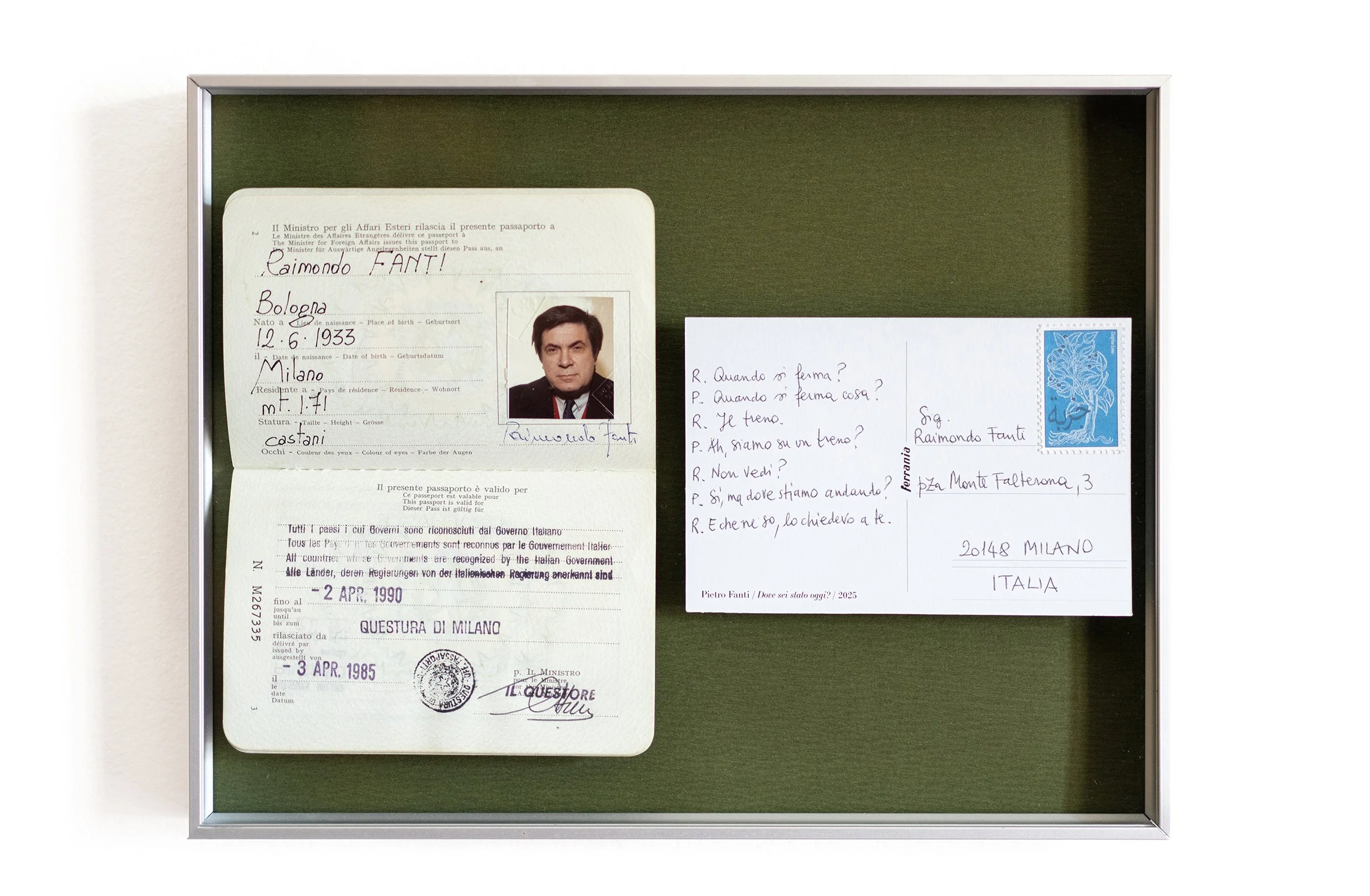
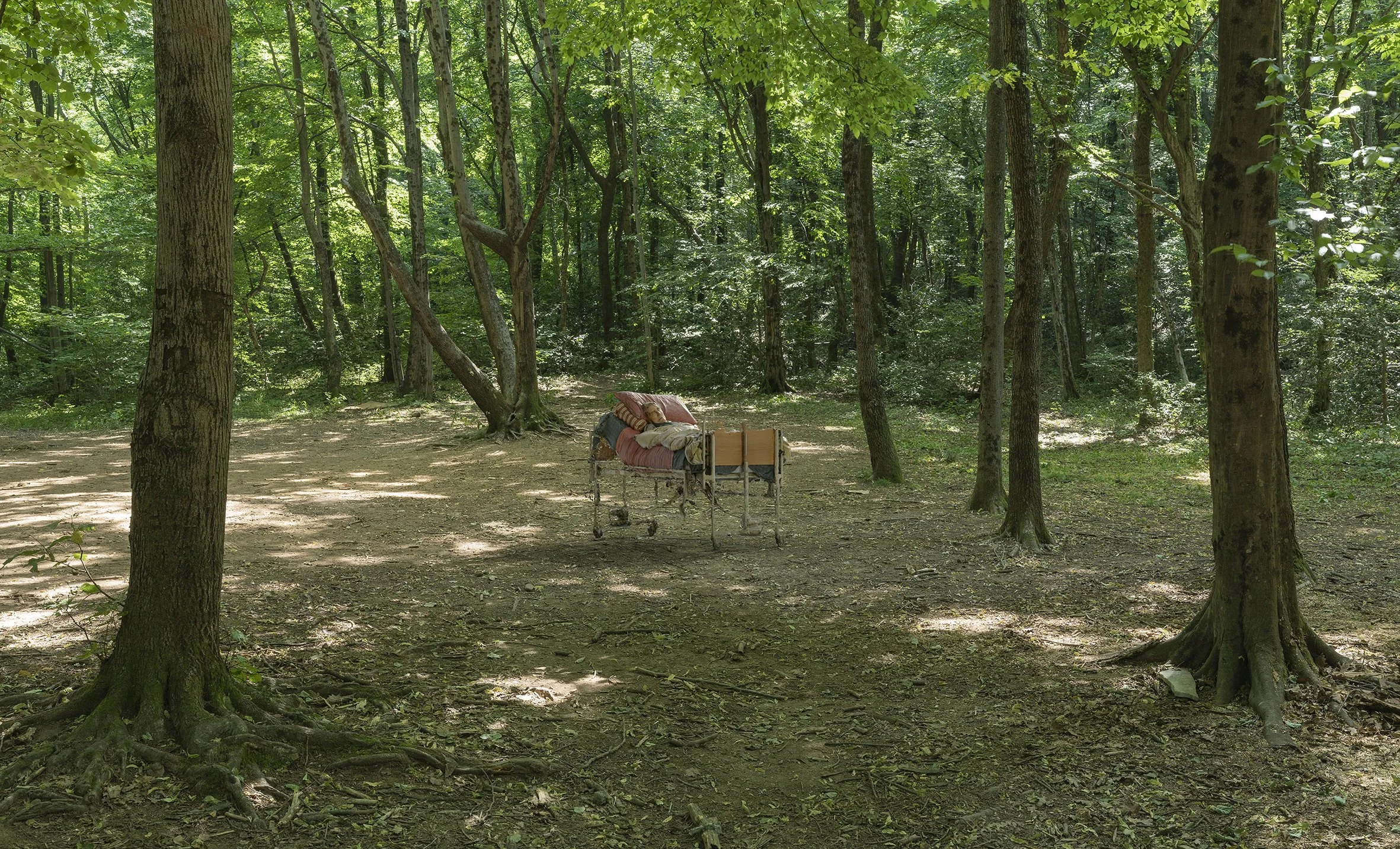
As Raymond’s world contracted, he began recounting journeys that never happened, travels across space and time, surreal adventures from his hospital bed. I recorded these stories, asking him daily: “Where have you been today?” His answers revealed an overlap of his past, his lost present, and imagined scenarios.
I used photogrammetry to transport Raymond into improbable landscapes where truth collapses into fiction. By deliberately keeping the 3D reconstructions incomplete, the images balance between credibility and fracture, inviting viewers to question what belongs and what does not. Photography, often trusted as unquestionable truth, here becomes a stage where dreamlike scenarios unfold.
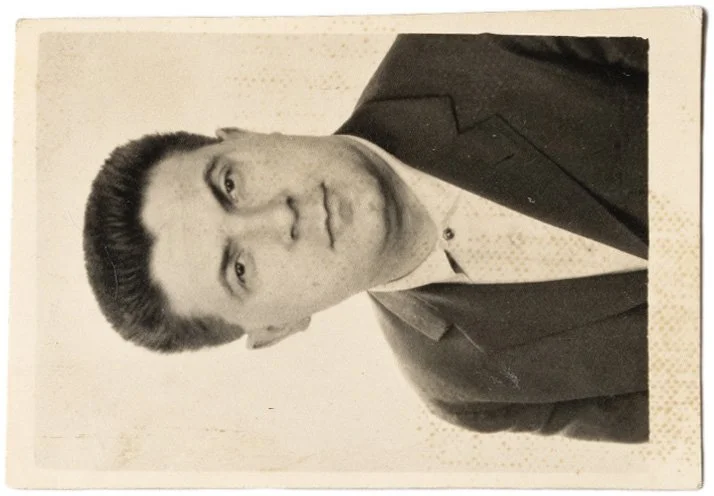
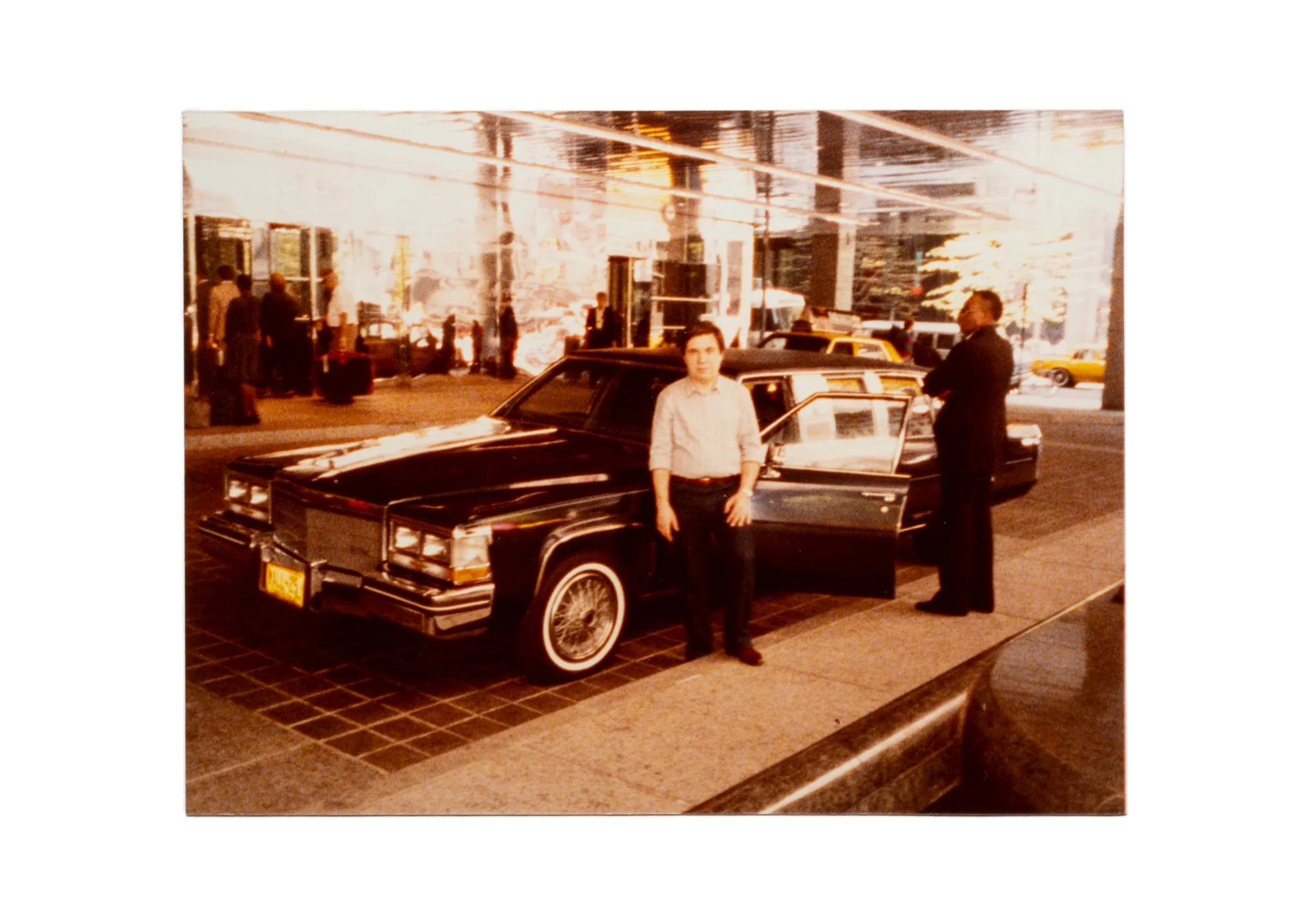
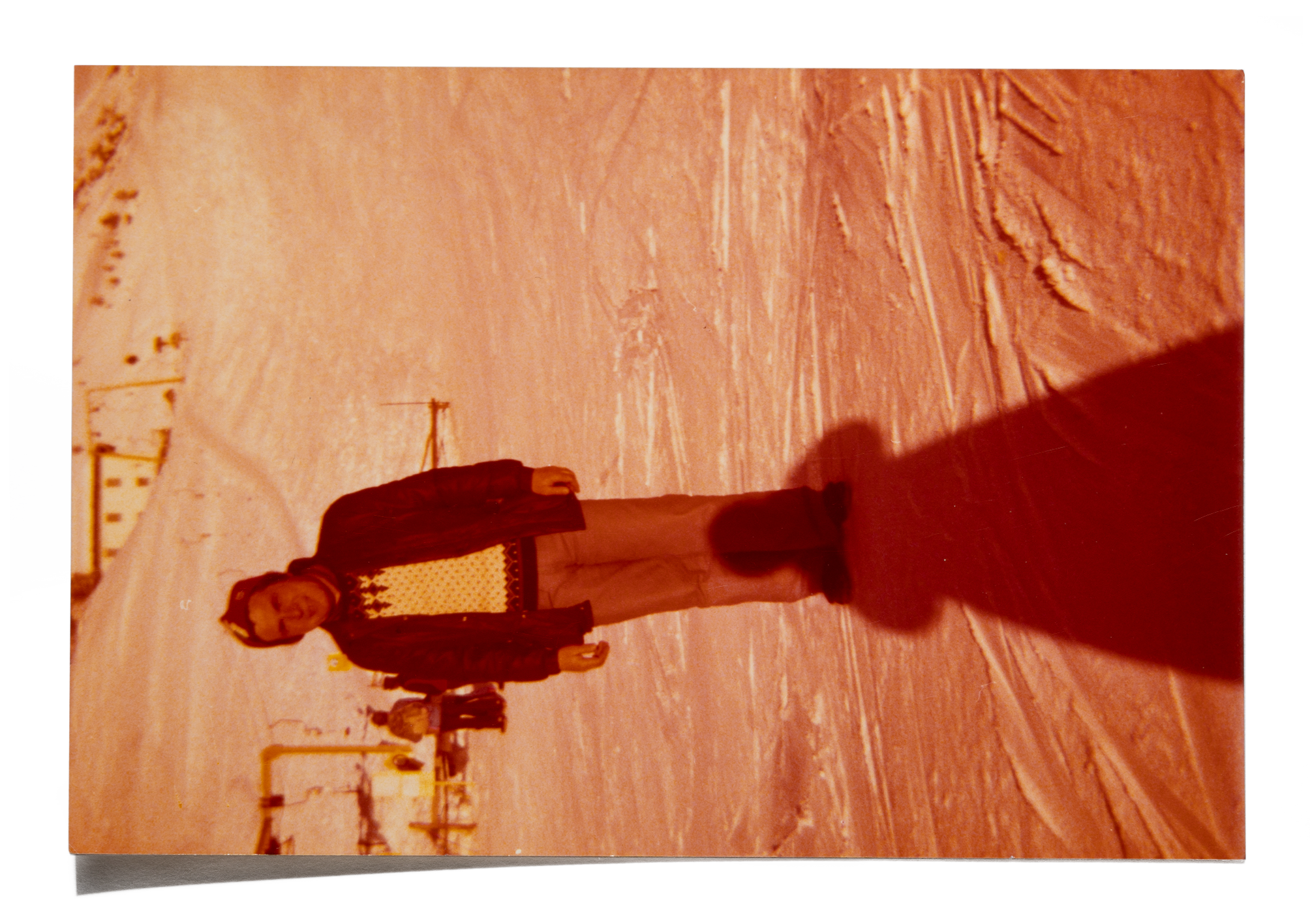
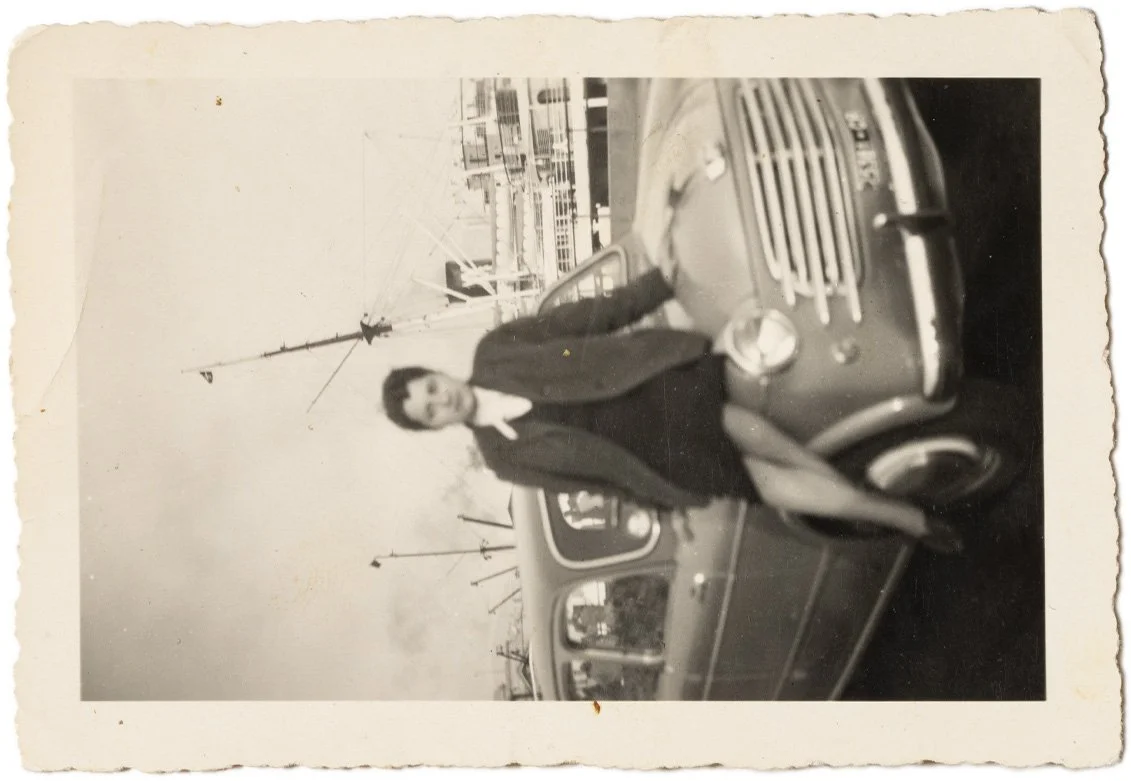
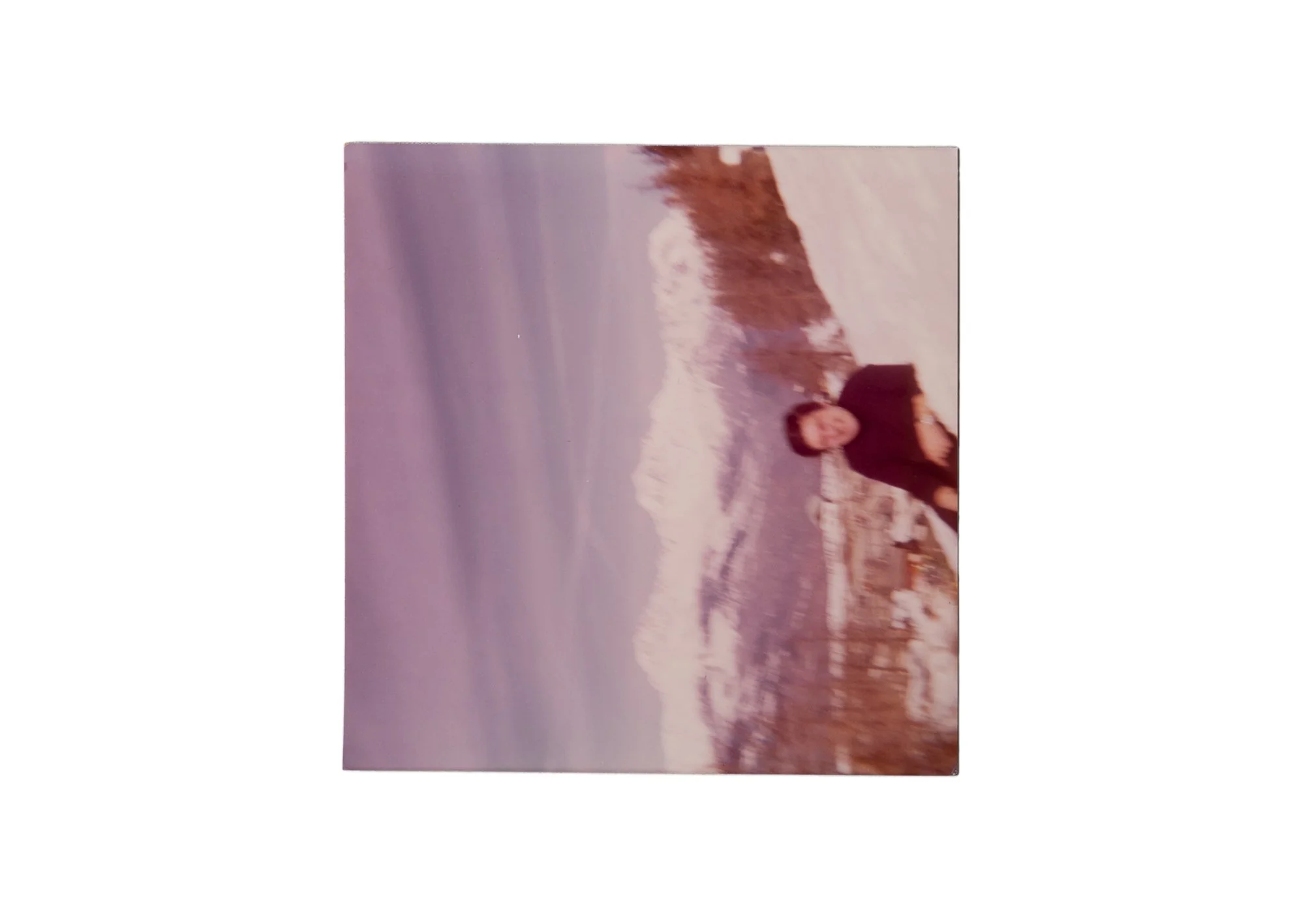
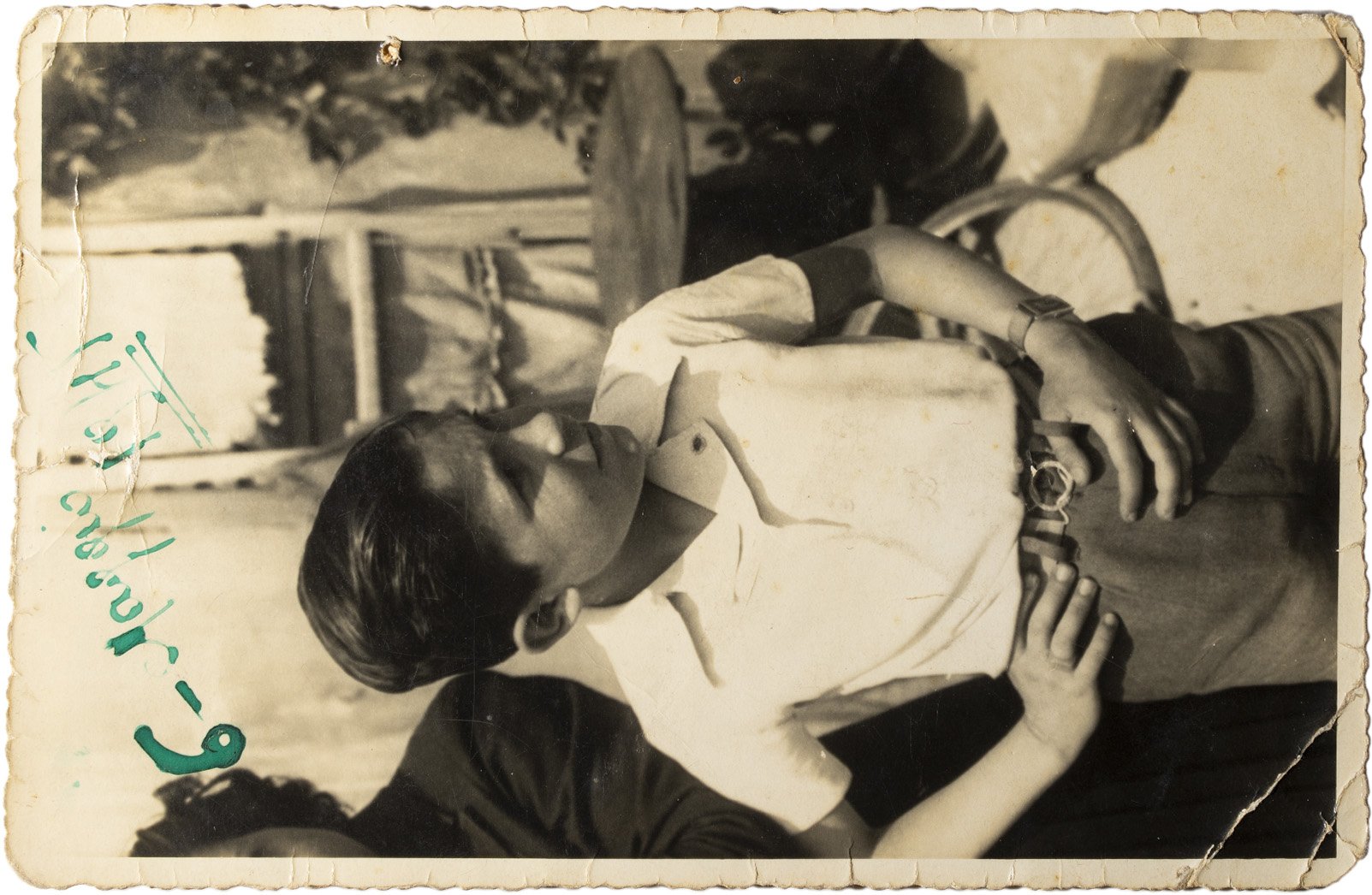
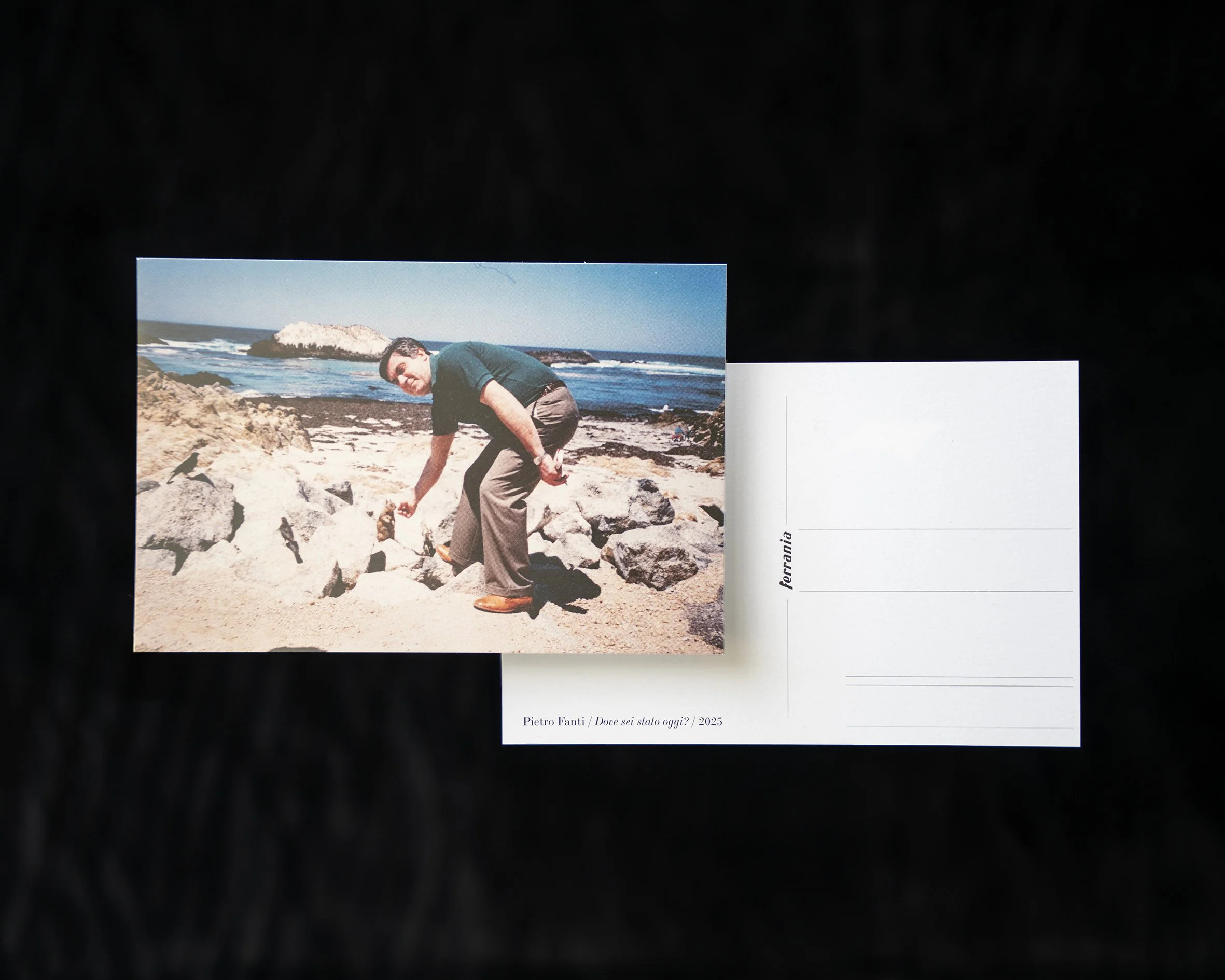
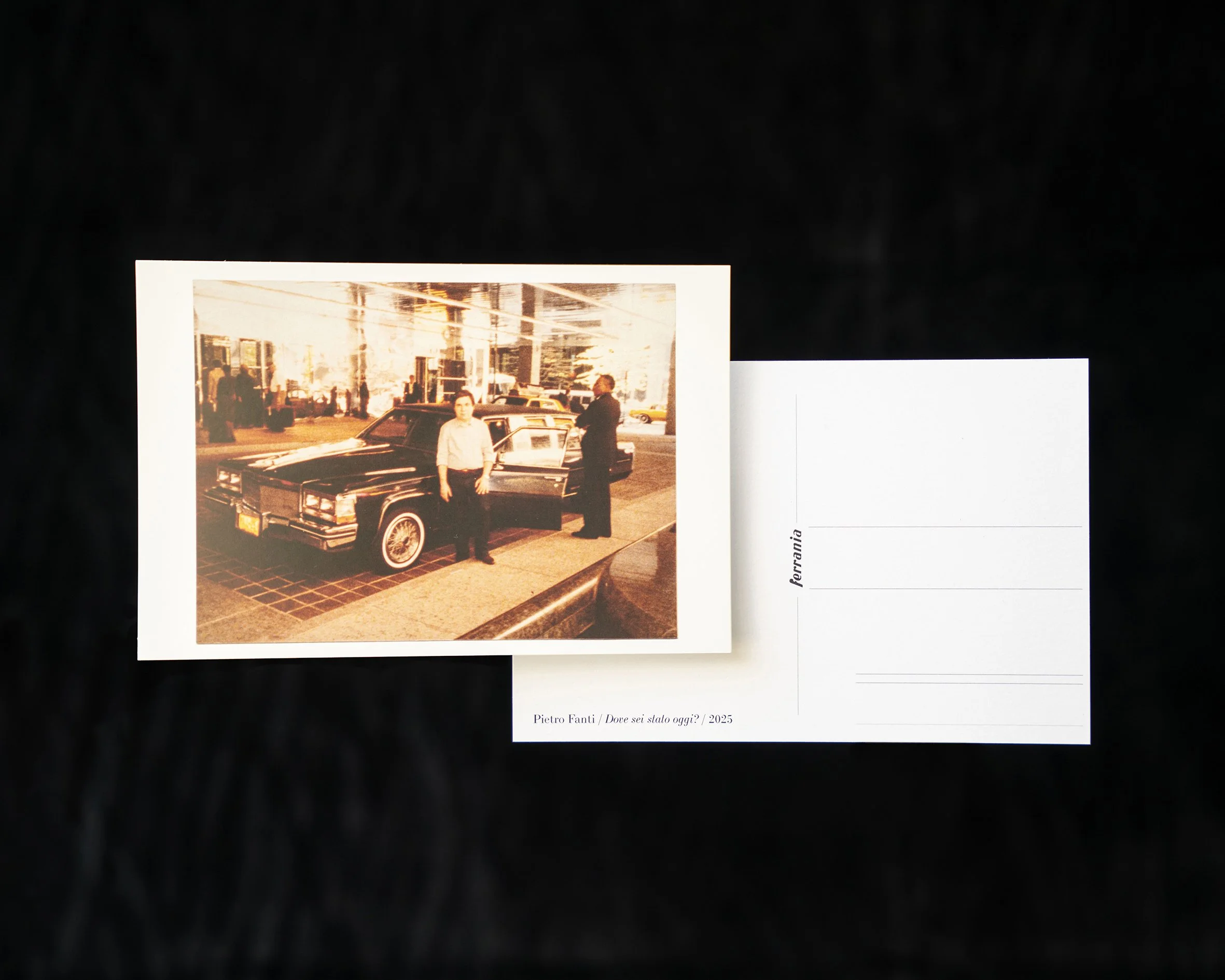
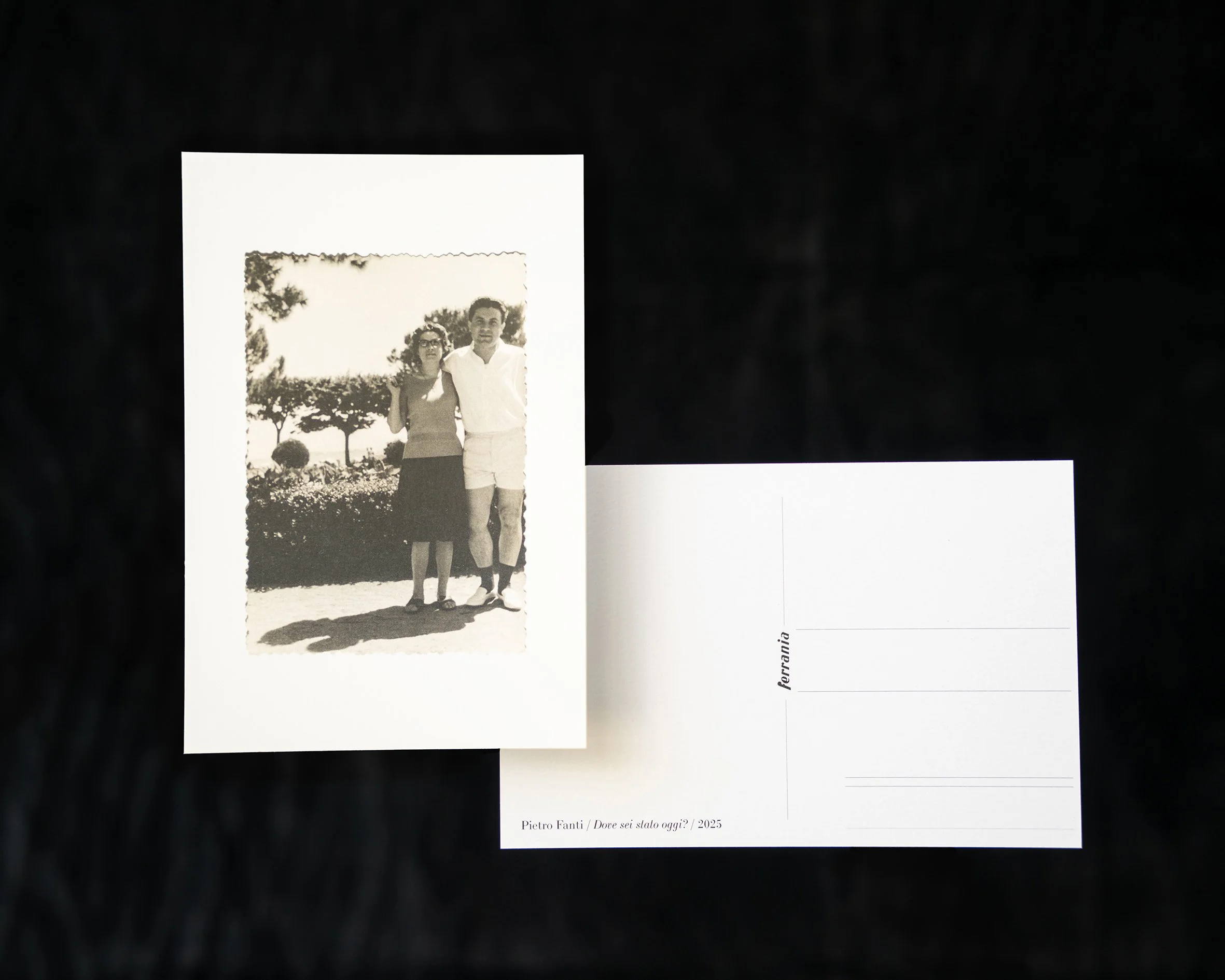
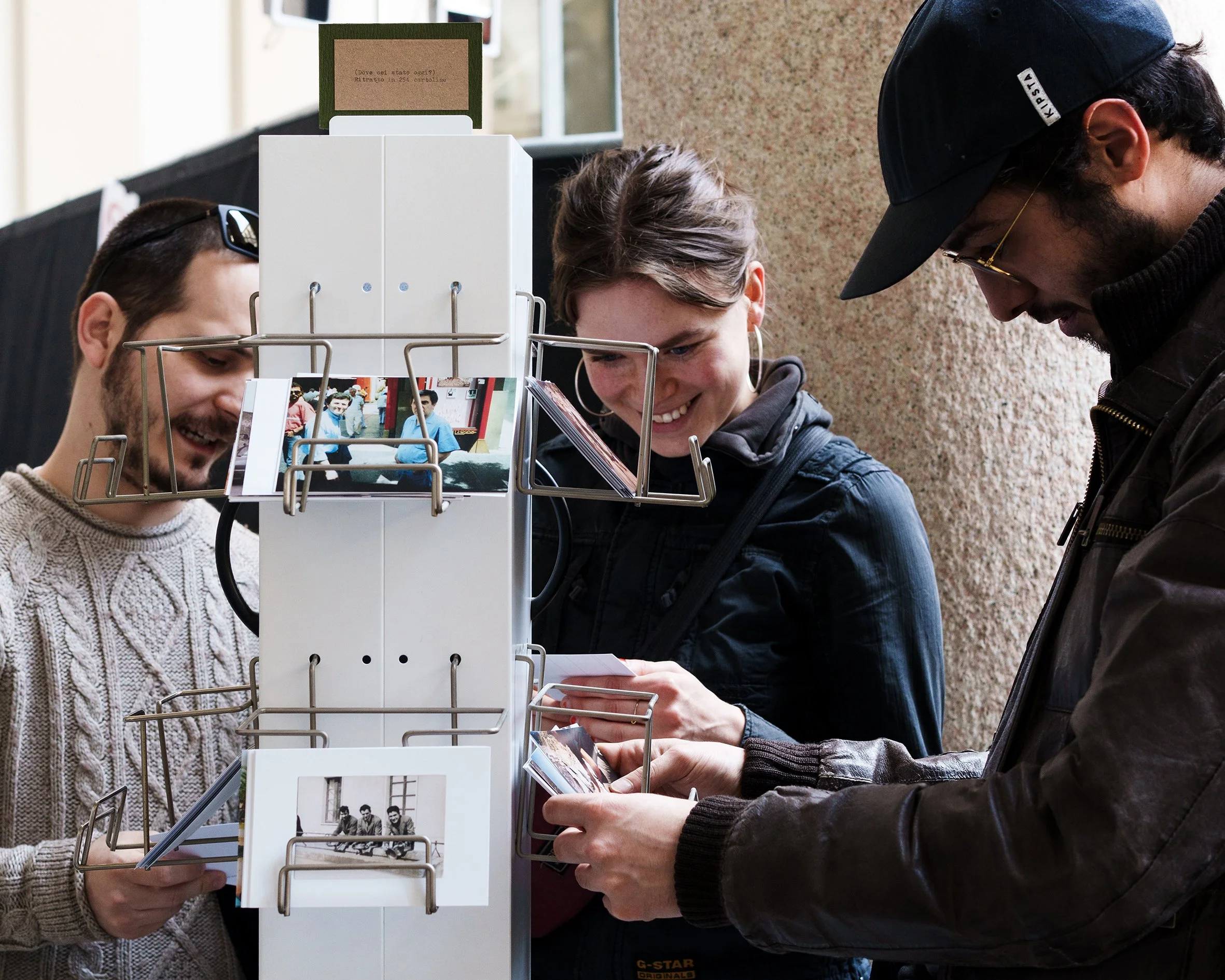
Raymond’s passing in 2023 shifted the work. While emptying his home I found a dusty briefcase containing 254 photographs spanning from the early 1930s to the 2000s. Never being redacted in an album, stripped of captions or context, they now hover between anonymity and intimacy. I reimagined these family pictures as postcards ready to be taken, sent, and be granted a new life, perpetuating Raymond’s travels.
The project proposes photography as a space where memory and fiction overlap. This imagined voyage alongside archival fragments, show how memory and photography alike demand interpretation. Viewers are called to face photography not as an unquestionable record but as a medium of speculation, invention and, at its core, empathy.
The full research underpinning the project — including the theoretical framework, the photogrammetry process, and the relationship between the family album and memory — is publicly available on the Research Catalogue.